
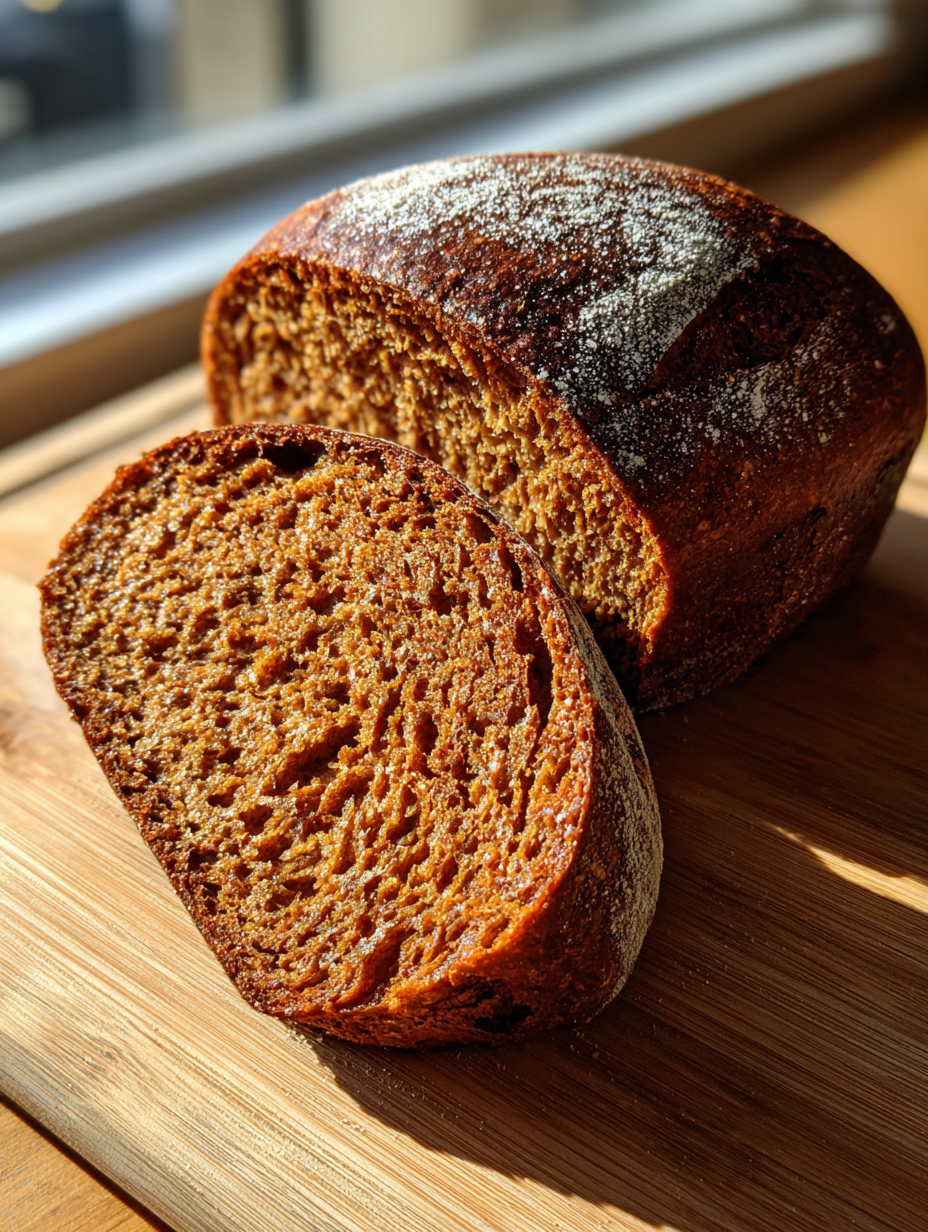
If you’re looking for a truly unique and flavorful addition to your bread repertoire, this pumpernickel bread recipe is just what you need. Pumpernickel bread recipe combines rich, earthy flavors with a dense, hearty texture that makes it perfect for sandwiches or as a side with soups and salads.
This recipe is perfect for those who appreciate the deep, robust taste of whole grains. The complexity of flavors develops beautifully over time, making it a delight to bake and share with others.
One key benefit of this recipe is its healthfulness. Pumpernickel bread is often made with whole grain rye flour, providing essential nutrients and fiber that contribute to a balanced diet.
Why Make pumpernickel bread recipe?
This pumpernickel bread recipe is a delightful way to explore new flavors.
- Rich Flavor: The combination of rye flour and molasses creates a deep, complex taste that is truly satisfying.
- Health Benefits: Packed with nutrients and fiber, this bread supports digestive health and provides lasting energy.
- Versatile Use: Whether toasted for breakfast or used as a base for sandwiches, this bread pairs well with many dishes.
- Homemade Goodness: There’s something special about baking bread at home, filling your kitchen with warm aromas.
History and Origin of pumpernickel bread recipe
Pumpernickel bread has its roots in Germany, where it was traditionally made with coarsely ground rye flour. The name “pumpernickel” is believed to have originated from the German words for “fart” and “Nicholas,” humorously referring to the bread’s dense nature.
This bread became popular in the 17th century and was primarily eaten by the lower classes due to its hearty ingredients. Over time, it gained popularity across Europe and is now enjoyed worldwide.
People love making this recipe at home because it allows them to recreate the authentic taste and texture of traditional pumpernickel bread while using high-quality ingredients.
Ingredients for pumpernickel bread recipe
Gathering the right ingredients is essential for this pumpernickel bread recipe.
- 2 cups whole grain rye flour
- 1 cup bread flour
- 1 tablespoon cocoa powder
- 2 tablespoons molasses
- 1 teaspoon salt
- 1 ½ cups warm water
According to experts at Healthline, these ingredients provide valuable nutritional value.
How to Choose the Best Ingredients
Choosing high-quality ingredients enhances your pumpernickel bread recipe.
- Rye Flour: Look for fresh, whole grain rye flour for the best flavor and texture.
- Molasses: Use unsulfured molasses for a rich sweetness without bitterness.
- Water: Ensure your water is warm, but not hot, to activate the yeast effectively.
How to Make pumpernickel bread recipe Step by Step
Follow these easy steps to create your pumpernickel bread recipe.
- In a large bowl, mix the rye flour, bread flour, cocoa powder, and salt.
- In a separate bowl, combine warm water and molasses; stir until dissolved.
- Gradually add the wet ingredients to the dry mixture, stirring until a dough forms.
- Knead the dough on a floured surface for about 10 minutes until smooth.
- Place the dough in a greased bowl, cover, and let rise in a warm place for 1-2 hours.
- Preheat your oven to 350°F (175°C).
- Punch down the risen dough and shape it into a loaf; place it in a greased loaf pan.
- Bake for 40-50 minutes or until the bread sounds hollow when tapped.
Check out our full collection of recipes.
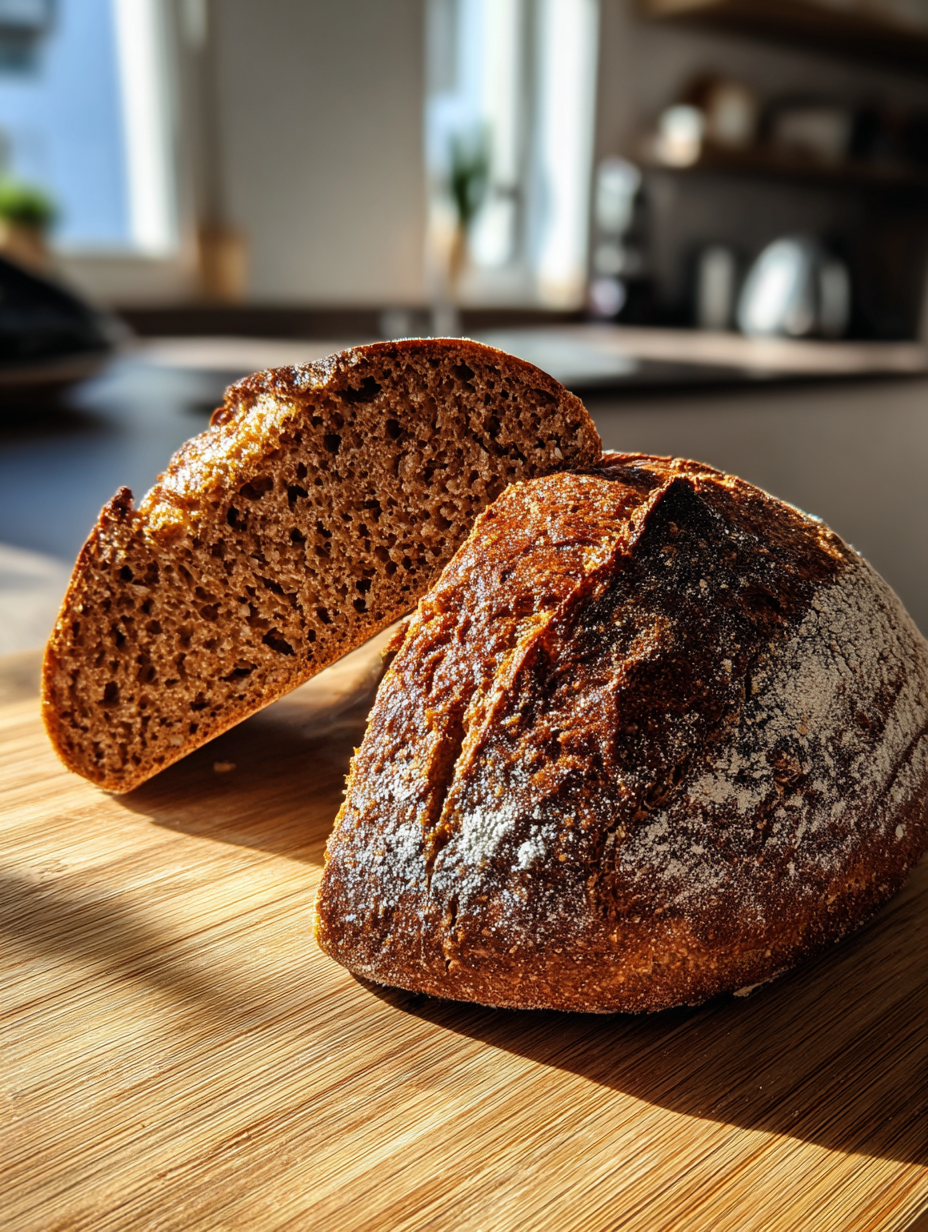
Tips and Tricks for the Best pumpernickel bread recipe
To achieve the perfect pumpernickel bread, consider these helpful tips.
- Use fresh ingredients: Fresh flour and yeast can significantly improve the flavor and texture of your bread. Always check expiration dates before using your baking supplies.
- Master the kneading: Knead the dough thoroughly to develop gluten, which gives the bread its structure. A well-kneaded dough will be smooth and elastic.
- Control the temperature: Ensure your ingredients are at room temperature for better mixing. This helps the yeast activate more efficiently.
- Let it rise properly: Allow sufficient time for the dough to rise. This step is crucial for achieving a light and airy loaf.
- Experiment with toppings: Try adding seeds or grains on top before baking for added texture and flavor. Sunflower seeds or caraway seeds are fantastic choices.
Variations and Serving Ideas
For a twist, consider adding cheese to your pumpernickel bread recipe. Cheddar or feta can provide a delightful contrast to the bread’s rich flavor.
For a sweeter variation, incorporate raisins or dried cranberries into the dough. This adds a burst of sweetness that pairs well with the earthy taste of pumpernickel.
Serve slices of pumpernickel with cream cheese and smoked salmon for an elegant appetizer. This combination highlights the bread’s unique flavor profile.
Seasonal Variations
In spring and summer, consider adding herbs like dill or chives to your pumpernickel bread recipe for a fresh taste. These herbs can enhance the bread’s flavor and complement seasonal dishes.
During autumn, incorporating cinnamon and nutmeg can create a warm, comforting loaf. This variation pairs well with soups and stews.
For winter, try adding roasted garlic or caramelized onions to the dough. These additions bring warmth and richness to the pumpernickel bread.
Making It for Kids and Family
Kids often love the unique flavor and texture of pumpernickel bread. It’s a fun way to introduce them to different types of bread.
To adapt the recipe for younger palates, consider making a milder version by mixing pumpernickel flour with white flour. This creates a softer taste that children might prefer.
Storage and Reheating
Store your pumpernickel bread in an airtight container at room temperature. This keeps it fresh for several days.
To reheat, wrap the bread in foil and place it in a preheated oven at 350°F for about 10 minutes. This will revive its crusty exterior.
Nutrition Facts (per serving)
- Calories: 200 kcal
- Protein: 7g
- Carbohydrates: 38g
- Fat: 3g
- Fiber: 5g
- Sugar: 1g
- Sodium: 200mg
Frequently Asked Questions About pumpernickel bread recipe
What is the best flour for a pumpernickel bread recipe?
Rye flour is the key ingredient for a traditional pumpernickel bread recipe. You can also mix it with whole wheat flour for added texture.
Can I make pumpernickel bread recipe without a bread machine?
Yes, you can make this bread by hand or with a stand mixer. Just ensure you knead the dough properly.
How long does pumpernickel bread last?
When stored properly in an airtight container, pumpernickel bread lasts for about 5-7 days at room temperature.
Can I freeze pumpernickel bread?
Yes, pumpernickel bread freezes well. Wrap it tightly in plastic wrap and then in aluminum foil for best results.
What are some good toppings for pumpernickel bread?
Some great toppings include cream cheese, smoked salmon, avocado, or even peanut butter for a unique twist. Each topping enhances the flavor of the bread.
Conclusion
The pumpernickel bread recipe is not only delicious but also versatile for various occasions. With its rich flavor and unique texture, this bread is sure to impress your family and friends. Try our pumpernickel bread recipe today and enjoy the delightful results!
See also our other recipes.
Print
pumpernickel bread recipe: a deliciously rich and hearty loaf
- Total Time: 90
- Yield: 12 servings 1x
Description
This pumpernickel bread recipe combines rich, earthy flavors with a dense, hearty texture, making it perfect for sandwiches or as a side with soups and salads.
Ingredients
- 2 cups whole grain rye flour
- 1 cup all-purpose flour
- 1 tablespoon molasses
- 1 teaspoon salt
- 2 teaspoons active dry yeast
- 1 1/2 cups warm water
Instructions
- In a large bowl, combine the rye flour, all-purpose flour, salt, and yeast.
- Add the molasses and warm water, mixing until a dough forms.
- Knead the dough for about 10 minutes until smooth and elastic.
- Let the dough rise in a warm place for 1 hour or until doubled in size.
- Shape the dough into a loaf and place it in a greased loaf pan.
- Allow it to rise again for 30 minutes.
- Preheat the oven to 375°F (190°C) and bake for 45-60 minutes until the bread sounds hollow when tapped.
Notes
- Use fresh ingredients for the best flavor and texture.
- Prep Time: 30
- Cook Time: 60
- Category: recipes
- Method: baking
- Cuisine: German
Nutrition
- Serving Size: 1 serving (50g)
- Calories: 120
- Sugar: 1
- Sodium: 200
- Fat: 1
- Saturated Fat: 0
- Unsaturated Fat: 1
- Trans Fat: 0
- Carbohydrates: 22
- Fiber: 3
- Protein: 4
- Cholesterol: 0
Keywords: pumpernickel, bread, rye, homemade, healthy