
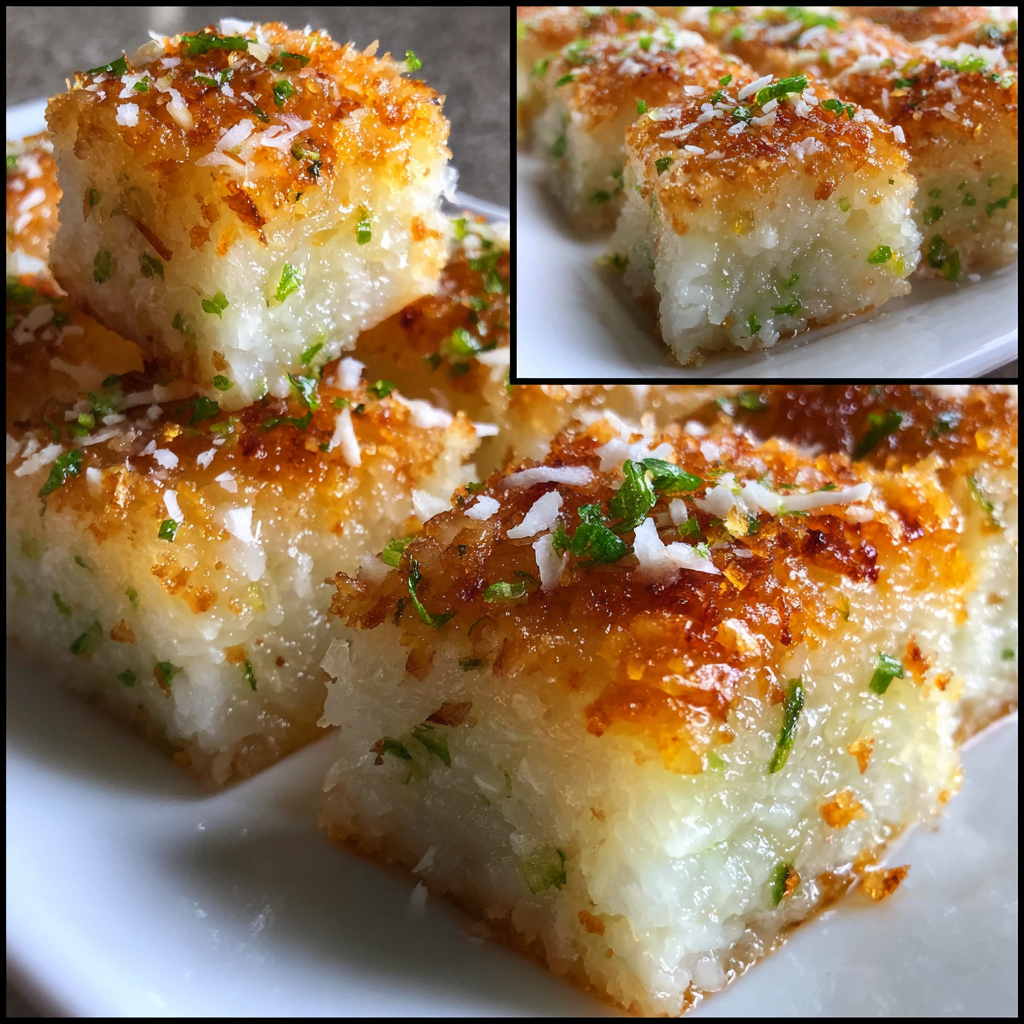
Kakanin Filipino Desserts: 7 Irresistible Sweet Delights
Kakanin Filipino desserts are a delightful showcase of the Philippines’ rich culinary heritage. These sweet treats, often made from glutinous rice, coconut milk, and sugar, promise to transport you to a world of texture and flavor. You may wonder how such simple ingredients can create something so satisfying and comforting. The secret lies in the traditional methods passed down through generations, showcasing the art of Filipino dessert-making.
Imagine biting into a warm, fluffy rice cake, the subtle sweetness mingling with the creamy richness of coconut milk. The texture is wonderfully chewy, and the aroma of pandan leaves wafts through the air, tantalizing your senses. Each bite is a celebration of flavors that evoke memories of family gatherings and festive occasions, making Kakanin not just food but a tradition that brings people together.
In addition to being incredibly delicious, Kakanin Filipino desserts are also versatile and can be enjoyed at any time. Whether you’re looking for a quick snack, a dessert to impress guests, or a sweet addition to a festive celebration, these rice cakes fit the bill perfectly. But did you know that Kakanin also offers various health benefits? With the right ingredients, these desserts can be a more nutritious option compared to processed sweets, providing energy and essential nutrients.
When it comes to health benefits, let’s delve into some of the key ingredients that make Kakanin Filipino desserts not just a treat for your taste buds but also a good choice for your health. First, glutinous rice is a great source of carbohydrates, offering the energy you need to power through your day. It also contains iron, which is essential for transporting oxygen in your blood. Coconut milk, another star ingredient, is rich in medium-chain triglycerides (MCTs), which are known for their ability to boost metabolism and support weight management. Moreover, it provides essential vitamins such as Vitamin C and Vitamin E, which are vital for skin health.
Additionally, the use of pandan leaves not only enhances the flavor but also provides a unique aroma that can boost your mood. This aromatic plant is also known for its anti-inflammatory properties. Furthermore, adding mung beans, a common ingredient in Kakanin, enriches these desserts with protein and fiber, making them a more balanced snack option. Did you know that mung beans are also a source of folate, which is important for cell growth and development? Incorporating these ingredients makes Kakanin a thoughtful choice for those who want to indulge without compromising their health.
This specific version of Kakanin Filipino desserts stands out because it combines traditional methods with modern sensibilities. While many recipes focus solely on flavor, this version emphasizes the balance of taste and health, ensuring that every bite is not only enjoyable but also nourishing. The unique blending of textures—soft rice cakes topped with creamy coconut and chewy mung beans—creates a delightful experience that sets this Kakanin apart from other desserts.
Moreover, Kakanin has become a beloved choice for families, beginners in the kitchen, and those celebrating special occasions. Its adaptability allows for variations to suit different dietary preferences, making it a crowd-pleaser. Whether you’re hosting a festive gathering or simply enjoying a quiet evening at home, Kakanin Filipino desserts will surely impress and satisfy.
In summary, Kakanin Filipino desserts are a fantastic way to explore the rich culinary traditions of the Philippines while enjoying the health benefits of wholesome ingredients. These sweet treats have a prep time of approximately 30 minutes, a cook time of 1 hour, and serve about 8-10 people. This recipe is suitable for beginners and is perfect for weeknight dinners, meal prep, and even when entertaining guests.
What is Kakanin?
Kakanin refers to a variety of traditional Filipino rice cakes and desserts that highlight the use of glutinous rice, coconut milk, and sugar. These desserts vary in texture and flavor, often incorporating different toppings and fillings, making each type of Kakanin unique. Popular varieties include Bibingka, Puto, and Suman, each with its own regional twist and preparation method.
Why You Will Love This Recipe
- Offers a delightful balance of flavors and textures.
- Utilizes wholesome, nutritious ingredients.
- Perfect for sharing during celebrations or as an everyday snack.
- Can be easily customized to suit dietary preferences.
- Brings a taste of Filipino culture into your kitchen.
Ingredients You Need
- Glutinous rice: The base ingredient that provides the chewy texture.
- Coconut milk: Adds creaminess and a rich flavor.
- Sugar: Sweetens the dessert and balances flavors.
- Salt: Enhances overall taste and brings out sweetness.
- Pandan leaves (optional): Infuses a fragrant aroma and unique flavor.
- Mung beans (optional): Provides protein and texture.
- Grated coconut (for topping): Adds a delightful finishing touch and flavor.
How to Make Kakanin Step by Step
- Start by soaking 2 cups of glutinous rice in water for at least 4 hours or overnight. This helps soften the rice, making it easier to steam.
- Drain the rice and place it in a steamer lined with banana leaves or cheesecloth. Steam for about 30 minutes or until the rice is fully cooked.
- While the rice is steaming, prepare the coconut mixture by combining 1 cup of coconut milk, 1 cup of sugar, and a pinch of salt in a saucepan. Heat over medium until the sugar dissolves, but do not boil.
- Once the rice is cooked, transfer it to a large bowl. Pour the coconut mixture over the rice and mix well until the rice is evenly coated.
- If using, add in cooked mung beans and chopped pandan leaves for added flavor. Mix gently.
- Transfer the mixture back into the steamer and steam for an additional 30 minutes until set.
- Once done, remove from the steamer and let it cool slightly. Cut into squares or desired shapes and top with grated coconut before serving.
Pro Tip: Ensure that the rice is evenly distributed in the steamer for uniform cooking.
Pro Tip: Check the consistency; it should be firm yet slightly sticky.
Expert Tips for Best Results
- Use fresh coconut milk for the best flavor.
- Adjust sugar according to your taste preference.
- Consider adding a dash of vanilla extract for extra flavor.
- Ensure the rice is properly soaked for optimal texture.
- Experiment with different toppings like sliced fruits or sweetened beans.
- Store leftovers in an airtight container to maintain freshness.
Variations and Substitutions
- Gluten-free option: Substitute glutinous rice with rice flour for a different texture.
- Dairy-free: Use coconut cream instead of coconut milk for a richer taste.
- Flavor variations: Add ube (purple yam) for a colorful twist.
- Seasonal: Incorporate fruits like mango or jackfruit for a refreshing taste.
How to Serve and Store
Serve Kakanin warm or at room temperature, garnished with grated coconut or your favorite toppings. It pairs well with a cup of coffee or tea. For storage, keep Kakanin in the fridge for up to 3 days in an airtight container. You can freeze it for up to a month; just ensure it is well-wrapped to avoid freezer burn. Reheat by steaming or microwaving for a few seconds until warm.
Frequently Asked Questions
What is Kakanin?
Kakanin refers to a variety of traditional Filipino rice cakes and desserts made from glutinous rice, coconut milk, and sugar.
How do you make Kakanin?
You make Kakanin by soaking glutinous rice, steaming it, and mixing it with coconut milk and sugar.
Can I freeze Kakanin?
Yes, Kakanin can be frozen for up to a month. Make sure it is wrapped well to avoid freezer burn.
What are the health benefits of Kakanin?
Kakanin contains carbohydrates for energy, healthy fats from coconut milk, and protein from mung beans when added.
Is Kakanin gluten-free?
Traditional Kakanin made with glutinous rice contains gluten. However, you can use rice flour for a gluten-free version.
How long does Kakanin last in the fridge?
Kakanin lasts for about 3 days in the fridge when stored in an airtight container.
Kakanin Filipino desserts are a delightful way to explore the rich culinary traditions of the Philippines. With their unique blend of flavors and textures, they provide both comfort and nourishment. Enjoy the health benefits of wholesome ingredients while indulging in these sweet delights. Try this recipe today and leave a comment below!
Print
Kakanin Filipino Desserts: 7 Irresistible Sweet Delights
Description
Kakanin refers to a variety of traditional Filipino rice cakes and desserts that are often made from glutinous rice, coconut milk, and sugar. These delightful treats are perfect for celebrations, snacks, or desserts.
Ingredients
- 2 cups Glutinous rice
- 1 can (400ml) Coconut milk
- 1 cup Sugar
- 1/2 teaspoon Salt
- 2 leaves Pandan leaves (optional)
- 1 cup (cooked) Mung beans (optional)
- 1 cup Grated coconut (for topping)
Instructions
- Soak glutinous rice in water for at least 4 hours or overnight. Drain and set aside.
- In a mixing bowl, combine drained glutinous rice, coconut milk, sugar, and salt. Mix well until the sugar is dissolved.
- If using, add pandan leaves for flavor and mix in cooked mung beans if desired.
- Pour the mixture into a greased baking dish or mold. Spread evenly.
- Steam the mixture over boiling water for about 30-40 minutes or until set and firm.
- Remove from the steamer and let it cool slightly. Top with grated coconut before serving.
Notes
- Kakanin can be enjoyed warm or at room temperature.
- You can customize your kakanin by adding different toppings like latik (coconut curds) or fruits.
- Keep leftovers in an airtight container at room temperature for up to 2 days.
Nutrition
- Calories: 220
- Sugar: 15
- Sodium: 100
- Fat: 5
- Carbohydrates: 40
- Fiber: 2
- Protein: 3
- Cholesterol: 0
Keywords: kakanin, Filipino desserts, rice cakes, traditional Filipino snacks, coconut desserts