
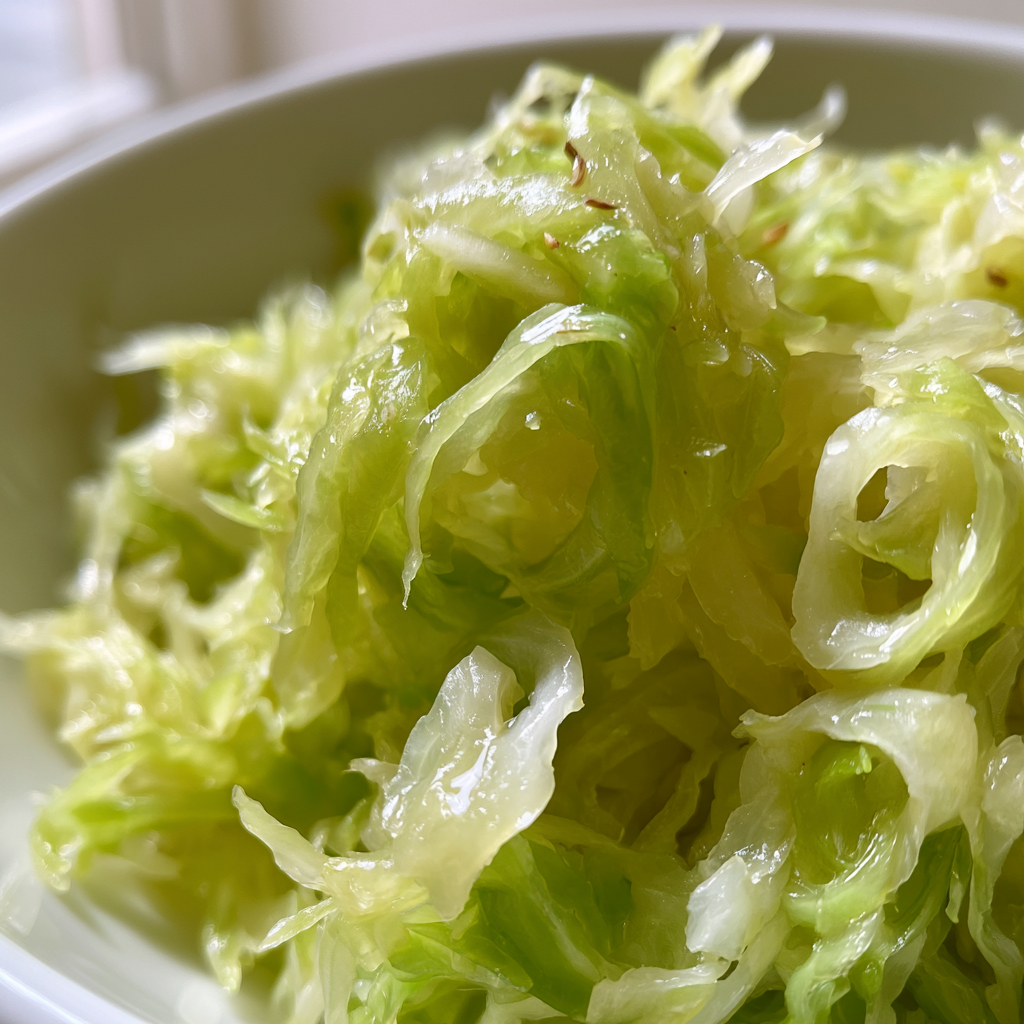
Homemade Sauerkraut: 5 Steps to Tangy Perfection
Are you ready to learn how to make homemade sauerkraut that not only enhances your meals but also provides countless health benefits? This simple recipe saves you time and money while delivering an incredibly flavorful dish that can elevate any dinner table. Have you ever wondered how a few basic ingredients can transform into a tangy, probiotic-rich delight? Imagine the vibrant color of fresh cabbage, the crisp texture, and the pungent aroma filling your kitchen as you create this fermented masterpiece.
The process of making homemade sauerkraut is not just about the end product; it’s also about the experience. As you slice the cabbage, the sweet, earthy fragrance wafts through the air, teasing your senses. When you add salt, the cabbage begins to release its juices, creating a brine that will cradle each shredded piece during the fermentation process. When the sauerkraut is finally ready, you’ll be greeted with a burst of flavors that are tangy, crunchy, and slightly fizzy, offering a delightful contrast to your meals.
Moreover, homemade sauerkraut is a powerhouse of health benefits. The fermentation process introduces beneficial bacteria known as probiotics, which are essential for good gut health. This tangy dish is rich in vitamins and minerals, making it a fantastic addition to your diet. Did you know that just one serving of sauerkraut can provide you with a significant portion of your daily Vitamin C needs? This essential vitamin plays a vital role in supporting your immune system, maintaining healthy skin, and aiding in the absorption of iron.
In addition to Vitamin C, homemade sauerkraut is also an excellent source of Vitamin K, which is crucial for bone health and blood clotting. The fermentation process enhances the bioavailability of nutrients, meaning your body can absorb them more effectively. Furthermore, the fiber content in cabbage promotes healthy digestion and helps to keep you feeling full. As a surprising benefit, sauerkraut contains antioxidants that can help fight inflammation and promote overall health.
Why choose this specific recipe for homemade sauerkraut? This version stands out because it embraces traditional techniques while allowing for modern twists, such as the optional addition of caraway seeds, which add a unique flavor profile. Unlike store-bought options that may contain preservatives or added sugars, this homemade version allows you to control the ingredients entirely. Plus, it’s incredibly easy to make, making it accessible for beginners and families alike.
This recipe has proven to be a favorite among those who want to incorporate fermented foods into their diets without the hassle. It’s versatile enough for special occasions, yet simple enough for a weeknight meal. You can enjoy it as a side dish, a topping on sausages, or mixed into salads, providing a delightful crunch and flavor that elevates your culinary creations.
In summary, this homemade sauerkraut recipe has a prep time of just 15 minutes, with no cooking involved, and it yields several servings, making it perfect for meal prep or sharing with guests. Whether you are a novice in the kitchen or an experienced cook, this recipe is simple to follow and guarantees delicious results.
What is Homemade Sauerkraut?
Homemade sauerkraut is a fermented food made primarily from finely shredded green cabbage and salt. The fermentation process relies on beneficial bacteria that naturally occur on the cabbage leaves, which transform the cabbage into a tangy, flavorful condiment. Sauerkraut can be enjoyed on its own or as a topping on various dishes, adding a unique zest and crunch.
Why You Will Love This Recipe
- Probiotic-Rich: Homemade sauerkraut is loaded with probiotics, which support gut health and boost your immune system.
- Cost-Effective: Making sauerkraut at home is far less expensive than buying store-bought versions.
- Customizable: You can easily adjust the flavors by adding ingredients like caraway seeds or spices.
- Simple Process: This recipe requires minimal ingredients and is beginner-friendly.
- Long Shelf Life: Fermented sauerkraut can last for several months in the fridge, making it a great addition to meal prep.
Ingredients You Need
- Green Cabbage: The main ingredient; rich in fiber, Vitamin C, and antioxidants.
- Kosher Salt: Essential for the fermentation process; it helps draw out moisture from the cabbage.
- Caraway Seeds (optional): Adds a distinct flavor and aroma that complements the tanginess of the sauerkraut.
How to Make Homemade Sauerkraut Step by Step
- Start by cleaning and sterilizing a large glass jar or fermentation crock. This prevents unwanted bacteria from ruining your sauerkraut.
- Remove the outer leaves of the cabbage, then cut it into quarters. Remove the core and slice the cabbage into thin ribbons.
- In a large mixing bowl, combine the shredded cabbage and kosher salt. Massage the salt into the cabbage for about 5-10 minutes until it becomes soft and starts releasing its juices.
- If using, mix in the caraway seeds evenly throughout the cabbage mixture.
- Pack the cabbage mixture tightly into the jar, pressing down to eliminate air pockets and allow the juices to rise above the cabbage. Leave about an inch of headspace at the top of the jar.
- Cover the jar with a clean cloth or a fermentation lid to allow gases to escape. Let it ferment at room temperature for 1 to 4 weeks, tasting periodically until it reaches your desired flavor.
Pro Tip: Use hot, soapy water and rinse well to ensure the container is free of contaminants.
Pro Tip: Use a weight or a clean rock to keep the cabbage submerged under the brine.
Pro Tip: Keep the jar out of direct sunlight to prevent overheating during fermentation.
Expert Tips for Best Results
- Choose fresh, organic cabbage to ensure the best flavor and probiotics.
- Experiment with different salts; sea salt and Himalayan salt can impart unique flavors.
- Use a food processor for quicker shredding if you prefer a finer texture.
- Make sure to pack the cabbage tightly to avoid spoilage.
- Store the finished sauerkraut in the fridge to slow down fermentation and maintain its crunch.
- Label your jars with the date to keep track of fermentation progress.
Variations and Substitutions
- Spicy Sauerkraut: Add sliced jalapeños or red pepper flakes for a spicy kick.
- Apple Sauerkraut: Mix in grated apples for a sweet and tangy flavor.
- Beet Sauerkraut: Incorporate grated beets for a vibrant color and earthy taste.
- Herbed Sauerkraut: Add fresh herbs like dill or thyme for an aromatic twist.
How to Serve and Store
Serve your homemade sauerkraut as a side dish with meats, on top of hot dogs, or as a crunchy addition to salads. It pairs well with rich, fatty foods, balancing the flavors beautifully. For storage, keep the sauerkraut in the fridge where it can last up to 6 months. You can freeze sauerkraut, but it may lose some crunch; if you do, it can last up to 8 months. The best way to reheat sauerkraut is gently on the stove or in the microwave, avoiding high heat to preserve probiotics.
Frequently Asked Questions
Can I make sauerkraut without salt?
No, salt is crucial for the fermentation process and flavor development.
How long does homemade sauerkraut last?
Homemade sauerkraut can last up to 6 months in the fridge if stored properly.
What do I do if my sauerkraut is too salty?
If it’s too salty, you can dilute it by mixing in some unsalted cabbage.
How can I tell if my sauerkraut has gone bad?
Bad sauerkraut will have an off smell, unusual color, or mold on the surface.
Can I ferment sauerkraut in a plastic container?
It’s best to use glass or ceramic containers as plastic can retain bacteria.
Is homemade sauerkraut gluten-free?
Yes, homemade sauerkraut is naturally gluten-free, making it safe for those with gluten sensitivities.
In conclusion, making homemade sauerkraut is a fulfilling culinary adventure that offers numerous health benefits, including being rich in probiotics and essential vitamins. This simple recipe allows you to control the ingredients and flavors, ensuring a delicious addition to your meals. Try this recipe today and leave a comment below!
Print
Homemade Sauerkraut: 5 Steps to Tangy Perfection
- Total Time: 15 minutes
- Yield: 1 quart 1x
- Diet: Vegetarian
Description
This easy homemade sauerkraut recipe allows you to create a delicious and tangy fermented cabbage dish right at home. Packed with probiotics, it’s perfect as a side dish or topping for various meals.
Ingredients
- 1 medium head Green cabbage
- 3 tablespoons Kosher salt
- 1 tablespoon Caraway seeds (optional)
Instructions
- Remove the outer leaves of the cabbage and set aside.
- Slice the cabbage into thin strips and place them in a large mixing bowl.
- Sprinkle the salt over the cabbage and massage it for about 5-10 minutes until it begins to release its juices.
- If using, add the caraway seeds and mix well.
- Pack the cabbage tightly into a clean glass jar, pressing down to ensure the liquid covers the cabbage. Leave about 1 inch of headspace at the top.
- Place the reserved outer leaves on top of the packed cabbage, tucking them down to keep the cabbage submerged in the liquid.
- Seal the jar loosely with a lid or cover it with a cloth to allow gases to escape while preventing dust from entering.
- Let the sauerkraut ferment at room temperature for 1-4 weeks, checking regularly and pressing down if necessary to keep it submerged.
- Taste after a week and continue fermenting until it reaches your desired tanginess.
- Once fermented, seal the jar tightly and store it in the refrigerator. Enjoy your homemade sauerkraut!
Notes
- Use a clean, non-reactive jar for fermenting.
- Fermentation time depends on the temperature and your taste preference.
- Sauerkraut can be stored in the refrigerator for several months.
- Prep Time: 15
- Category: Side Dish
- Cuisine: German
Keywords: homemade sauerkraut, fermented cabbage, easy sauerkraut recipe